Start with small assumptions: comfort isn't only about new furniture
People often think "comfort" requires big purchases. The quickest wins come from light, layout, temperature and how you store everyday items. Use these 10 practical ideas to make your home more comfortable and functional this week, and prioritize changes that affect daily routines first.
1. Rework lighting for tasks and mood
Swap a single overhead bulb for layered lighting: bright task lights near work areas, warm accent lamps in seating zones, and a dimmable main fixture. Task lights reduce eye strain while a few soft floor or table lamps instantly make a room feel cozier. Use LED bulbs with adjustable color temperature where possible—cool white for kitchen prep, warm white for relaxing.
2. Arrange furniture around how you live, not a picture
Measure traffic paths and place seating to support conversation and sightlines to TV or windows. Pull furniture slightly away from walls where space allows; this creates a more intimate scale. In small rooms, choose pieces that don’t block natural light—low-back sofas or open shelving help the room breathe.
3. Create defined zones in multipurpose rooms
Use rugs, open shelving, or a narrow console to separate functions—work, play, and sleep—without building walls. A desk facing away from the sofa reduces distraction; a translucent room divider keeps light while marking boundaries. Even a consistent color accent or throw can visually link items that belong together.
4. Make storage work: accessible, labeled, and routine-ready
Comfort and function falter when daily items are hard to find. Prioritize accessible storage for frequently used things: a basket by the door for grab-and-go items, clear containers or labeled bins for pantry staples, and drawer dividers for utensils and chargers. Keep only current-season clothes in main closets; off-season items belong in labeled vacuum bags or a top shelf.
5. Choose multifunctional furniture for small spaces
A sofa bed, nesting tables, or an ottoman with internal storage give you more use per square foot. When shopping, prefer pieces with easy-to-access storage (not just decorative lids) and that match your actual daily routine—for example, a console table with drawers if you sort mail there.
6. Improve thermal comfort without major upgrades
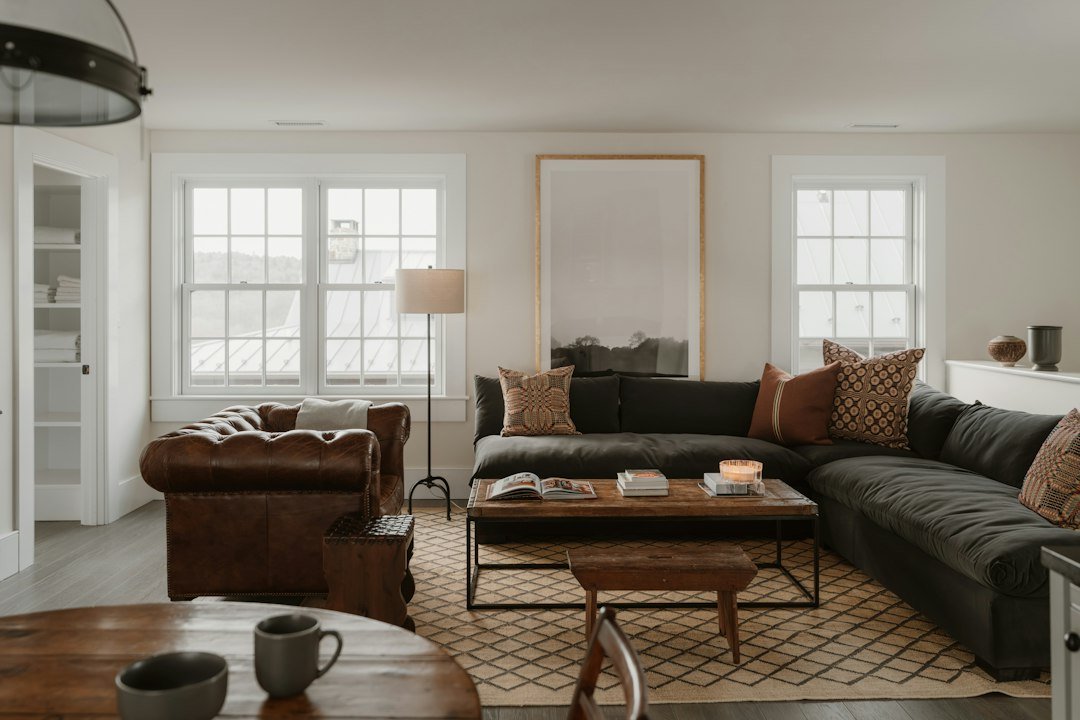
Layer textiles: rugs trap cold underfoot, and heavier curtains reduce drafts at night. Put draft stoppers under doors and use ceiling fans in reverse during winter to redistribute warm air. For targeted warmth, a programmable space heater or heated throw can make a single room comfortable without heating the whole house.
7. Cut noise and add privacy simply
Soft surfaces absorb sound. Add a rug, fabric headboard, or bookshelves to noisy rooms. For privacy in studio layouts, a floor-to-ceiling curtain or tall plant wall mutes sightlines and noise without construction. White-noise machines or an app can smooth abrupt household sounds in shared spaces.
8. Make routines simpler at transition points
Design your entryway and kitchen to support the most frequent tasks. Near the door, have a tray or bowl for keys, a hook for coats, and a shoe shelf. In the kitchen, keep everyday plates and cookware on lower shelves; position a small basket for outgoing mail and shopping lists where you’ll see it.
9. Upgrade small conveniences that add up
Replace hard-to-use cabinet pulls, install soft-close hinges, or add a motion-sensor light in a closet—all are inexpensive but noticeably improve daily use. Smart plugs on lamps or a programmable thermostat also reduce friction in routines without a complex installation.
Suggested product use: If you snack or bake with seeds, the compact automatic seed peeler (ID 484) speeds prep and reduces mess—an example of a small appliance that can make a specific kitchen task more pleasant and efficient.
10. Declutter with a maintenance plan, not a purge
Large cleanouts are rare to sustain. Schedule a 15-minute daily tidy and one focused 90-minute session each month. Use three-box sorting (keep, donate, toss) and be realistic: if you haven’t used something in a year and it has no strong sentimental value, it’s a candidate to let go. That maintenance rhythm keeps spaces functional without exhausting effort.
Practical recap: where to start this weekend
Begin with lighting swaps and a 60–90 minute declutter of one zone (entryway or kitchen). Add an accessible storage solution and a soft textile—rug, throw or curtain—to see immediate comfort gains. Tackle one product upgrade (hinges, pulls, or a multifunctional furniture piece) next month.
- Replace a harsh overhead bulb with a warm lamp or dimmable LED.
- Clear and label one storage area used daily (pantry, entry basket, or desk drawer).
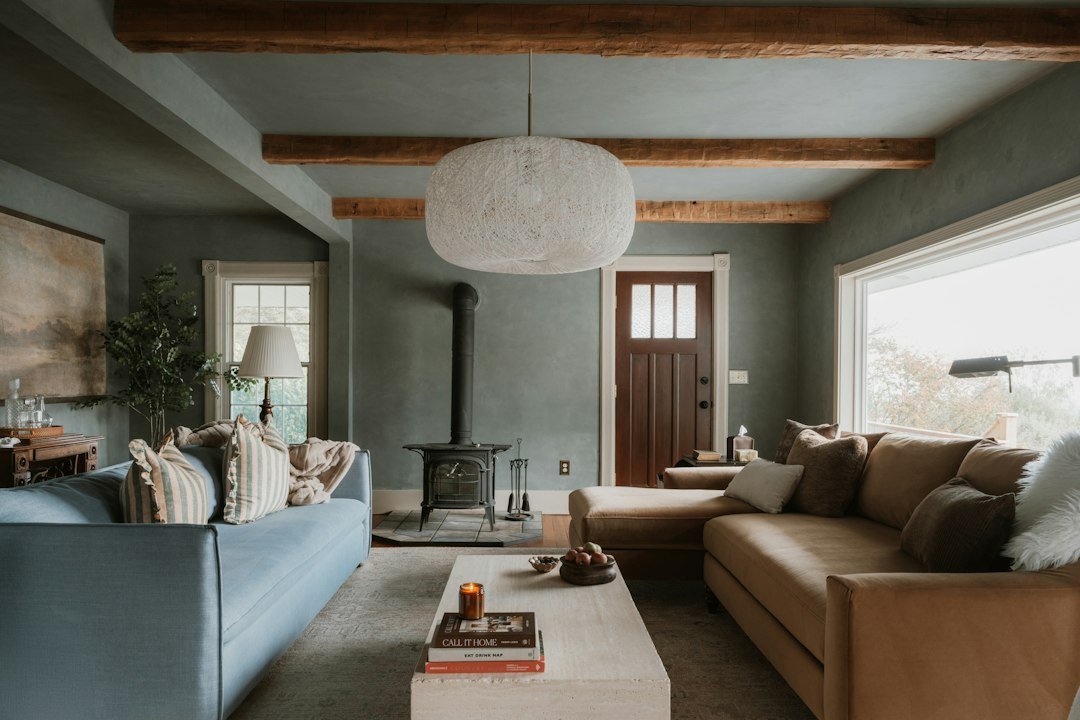
- Add one soft surface—rug, throw, or cushion—where you spend the most time.
- Measure traffic paths and adjust one piece of furniture for better flow.
- Schedule a monthly 90-minute declutter session on your calendar.
Comfort and functionality are built from many small, intentional choices: better light, clearer storage, and smoother daily transitions. Start with what you use every day and choose one upgrade that removes friction.
How can I make a rented space more comfortable without permanent changes?
Use temporary solutions: removable hooks, plug-in smart bulbs, washable rugs, and freestanding shelving or room dividers. These add function and style without altering the property.
Which room should I prioritize for comfort upgrades?
Choose the room where you spend the most waking hours—often the living room or bedroom—and focus on lighting, seating, and storage there first.
Are multifunctional furniture pieces worth the cost?
Yes if you need the combined functions; they save space and can replace multiple single-use items. Buy quality where the mechanism (folding bed, storage ottoman) will see regular use.
How often should I declutter to keep a functional home?
A brief daily tidy (10–15 minutes) plus a monthly focused session keeps clutter from returning and makes maintenance manageable.