What matters — and what you can safely ignore
Choosing everyday pet care essentials is about matching basic needs to your animal's life stage, size, health and your household. Focus on reliable food and water solutions, safe enrichment (toys and bedding), grooming and basic health supplies, plus easy cleanup gear. Ignore trend-driven gadgets unless they solve a clear problem—luxury express feeders, single-use novelty items, or decorative collars add flair but rarely improve day-to-day care.
Feeding and water: practical choices that last
Pick bowls and dispensers based on your pet's size, eating habits and how much maintenance you’ll do.
- Material: stainless steel for durability and hygiene; ceramic if you prefer weight and style; avoid porous plastics for pets prone to chin acne or allergies.
- Design: shallow wide bowls for flat-faced breeds; elevated bowls if recommended by your vet for large breeds or digestive issues.
- Water solutions: a heavy water bowl is fine for most households; a filtered water fountain suits picky drinkers and reduces refills.
- Portions and storage: measure daily portions and use airtight bins to keep food fresh and pest-free.
Grooming and basic hygiene: tools that prevent problems
Routine grooming keeps skin, coat and nails healthy and reduces vet visits. The right tools depend on coat type and temperament.
- Brushes: slicker brushes for long coats, bristle brushes for short coats, de-shedding tools for heavy shedders. Brush frequency: daily for long coats, 1–2× weekly for short coats.
- Nail care: guillotine or scissor clippers sized to your pet; a file or grinder for smoothing. Trim carefully and reward with treats to build tolerance.
- Bathing: pick a mild, pet-formulated shampoo and only bathe as needed (often every 4–12 weeks depending on activity).
- Dental basics: a pet toothbrush and enzymatic toothpaste—start slowly and aim for several short sessions per week.
Comfort and rest: bedding, crates and safe spaces
Pets need a comfortable, easy-to-clean place to sleep and decompress.
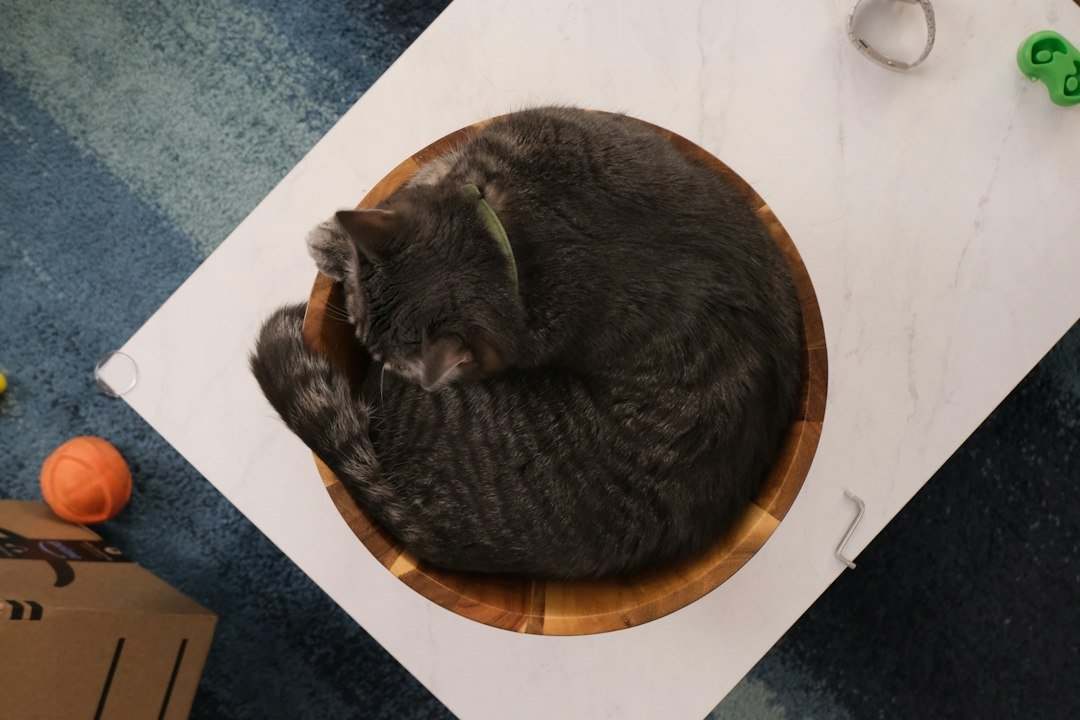
- Choose the right bed: orthopedic foam for older pets; washable cover for messy puppies or cats who shed. Look for machine-washable materials or removable liners.
- Crates and pens: useful for training, travel and giving anxious pets a den-like refuge. Size so the pet can stand, turn and lie down comfortably.
- Placement: put the bed in a low-traffic quiet spot that’s still within the family’s daily flow to avoid isolation.
Enrichment and toys: prevent boredom without overspending
Toys do two jobs: mental stimulation and appropriate chewing/scratching outlets. Rotate toys weekly to sustain interest.
- Interactive toys: treat puzzles and food-dispensing balls are great for slow feeders and mental exercise.
- Chew toys: durable rubber for heavy chewers, softer nylon or plush for gentler chewers. Replace when torn to avoid ingestion hazards.
- Cat-specific items: scratching posts (vertical and horizontal), wand toys and small balls that encourage active play.
Cleanup and odor control: tools that make life easier
Simple, effective cleanup keeps your home livable and reduces stress.
- Litter management: a scoopable litter with a matched litter box size; consider covered boxes for odor control but watch for litter-tracking issues.
- Accident cleanup: enzyme cleaners are essential—regular detergents mask odors but don’t remove urine enzymes that attract repeat marking.
- Waste disposal: waste bags for walks and a sealed liner bin at home for quick emptying.
Health basics and safety items to keep on hand
These are not replacements for veterinary care but cover common day-to-day needs.
- Flea and tick prevention suitable for your species and region (veterinarian-recommended).
- Basic first-aid kit: gauze, adhesive tape, styptic powder for nail trims, digital thermometer, and a pet-safe antiseptic.
- Medication organizer for pets on daily treatments or supplements.
- Secure collar or harness with ID tag; consider microchipping as permanent ID.
When a product recommendation helps
If you want a straightforward grooming set that covers the core needs for most dogs and cats—brushing, nail trims and gentle cleaning—go for a well-reviewed kit sized for your pet. For hands-on readers, a quality brush matched to coat type is more impactful than a multi-tool with mediocre parts.
How to decide at the store or online
Ask three quick questions before you buy: Will this reduce daily effort or improve safety? Is it sized for my pet and easy to clean? Does my pet actually need it or will it sit unused? Use product reviews that mention pets similar in size and behavior to yours.
Common trade-offs and honest exceptions
Price vs durability: cheaper bedding and toys often need replacing more frequently, which can cost more long-term. High-tech feeders and fountains solve some problems (timed meals, filtered water) but add cleaning steps and repair risk. If you travel often, invest in secure crates and automatic feeders; if you’re home most days, simple solutions will do.
- Measure your pet for bowls, beds and harnesses before buying.
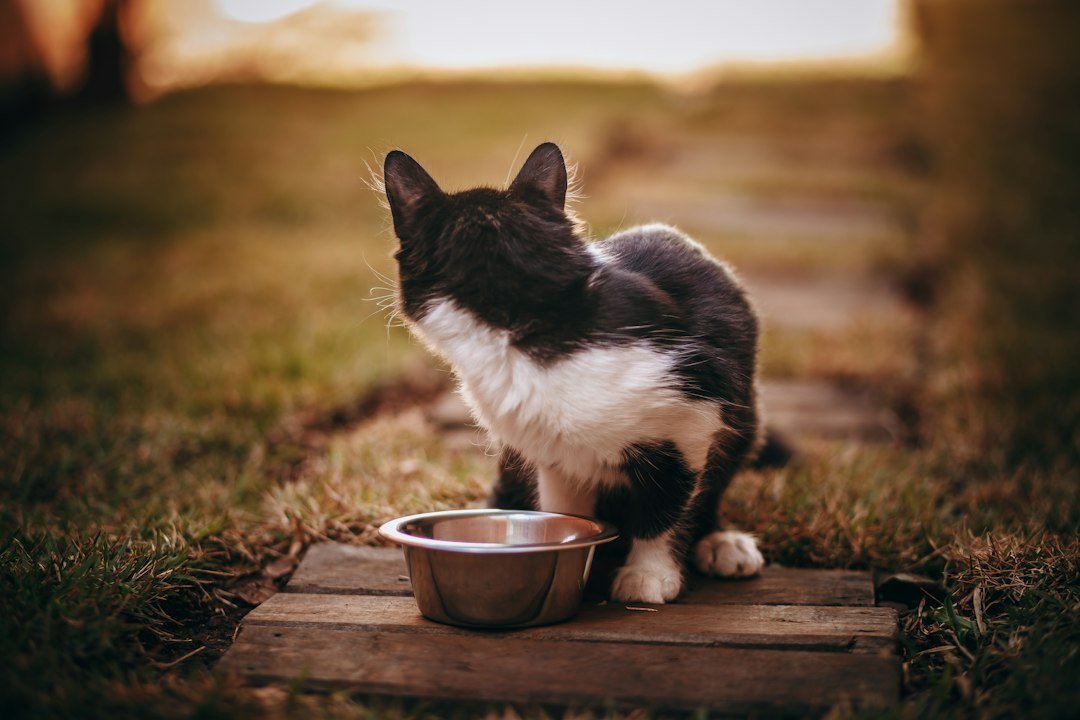
- Choose non-porous materials (stainless or ceramic) for feeding gear.
- Pick grooming tools matched to coat type, not pack convenience.
- Keep enzyme cleaner and a basic first-aid kit within reach.
- Rotate toys and inspect chews weekly for wear and safety.
Select essentials that reduce daily friction: good bowls and water, grooming basics, a washable bed, safe toys, and reliable cleanup supplies. Spend more on items you use every day; skip trendy gadgets unless they solve a clear reliability or health problem.
How many food and water bowls should I have?
At least two water bowls (one per level of a multi-story home) and one dedicated food bowl per pet, plus a spare while one is in the wash.
What’s the easiest way to keep pet bedding clean?
Choose beds with removable, machine-washable covers and wash weekly for heavy shedders or after accidents; use a washable liner for older pets with incontinence.
Are automated feeders worth it?
They’re useful for portion control and for owners with irregular schedules, but pick a reliable model and be prepared for routine cleaning and occasional power/back-up plans.
How do I pick a safe chew toy?
Match durability to chewing strength—rubber for heavy chewers, softer materials for light chewers—and replace any toy with loose pieces or stuffing exposed.
What cleaning product is best for accidents?
Use an enzymatic cleaner designed for pet urine to fully break down odors and reduce the chance of repeat marking.