What matters — and what you can safely skip
If you’re preparing for an outing, focus first on safety, shelter, hydration and staying warm or dry. Those four categories cover most risks and comfort failures outdoors. You can safely ignore "just-in-case" gadgets and excessive comfort items for short trips; they add weight and decision fatigue. This outdoor essentials checklist helps you prioritize gear by function and trip length so you pack less but cover the real needs.
Core essentials to bring on any outdoor trip
- Navigation: map, compass, or downloaded offline map. Even if you use a phone, carry a paper alternative or know the route—batteries die.
- Hydration: 1–3 liters of water depending on heat and exertion, plus a lightweight filter or purification tablets for multi-day trips.
- Food: calorie-dense snacks (nuts, bars), and at least one hot or hearty meal per overnight; plan for extra if conditions slow you down.
- Insulation: synthetic or down layer and a hat—temperatures fall quickly at higher elevation or after sunset.
- Rain protection: waterproof jacket and pack cover; a simple poncho can double as emergency shelter.
- Sun protection: sunglasses, broad-brim hat, sunscreen (SPF 30+), and lip balm with SPF.
- First aid: compact kit with blister care, adhesive bandages, antiseptic wipes, pain reliever, and any personal medications.
- Light: reliable headlamp with spare batteries—hands-free lighting is essential at night and in poor weather.
Quick wins for day hikes (light but safe)
For a day hike, trim the load while protecting the critical needs above.
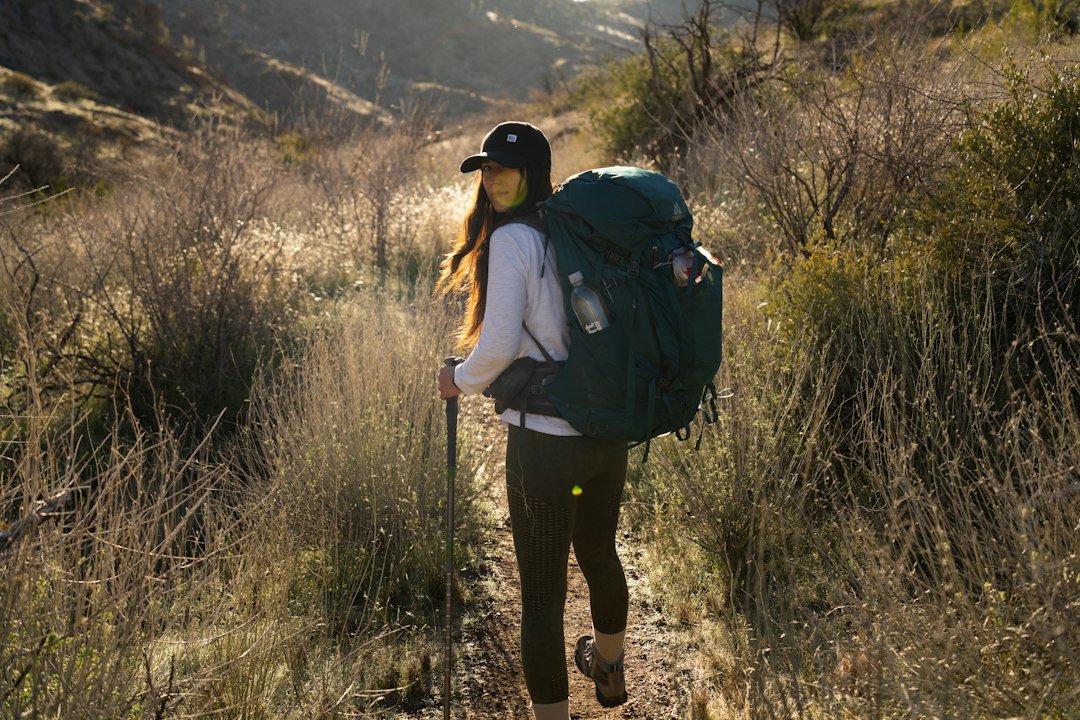
- Use a 20–30L daypack, one insulating midlayer, and a lightweight rain shell. Layering beats a bulky coat.
- Bring 1–2 liters of water and a small filter straw only if your route crosses known water sources.
- Pack extra snacks that won’t crush—trail mix, jerky, energy bars—and a small emergency blanket folded flat.
- Leave heavy stoves and full cookware at home; a single insulated mug and a jet boil-style stove are overkill for short outings.
Overnight and multi-day additions that matter
When one night becomes two or more, comfort items quickly turn into survival items.
- Shelter: lightweight tent, tarp shelter, or hammock with bug net depending on terrain. Consider shelter weight vs. sleep comfort; a 2-season tarp can save pounds but needs skill to set up.
- Sleep system: sleeping bag rated for 10–20°F below the expected low and an insulated sleeping pad to prevent conductive heat loss.
- Cooking and fuel: small stove, pot, lighter and firestarter. Store matches in a waterproof case. For cold conditions, carry stove systems that work in low temperatures.
- Repair kit: duct tape wrap, cordage, spare shoelaces, patch kit for inflatable pads.
Electronics and power: balance convenience with reliability
Phones, GPS devices, and cameras are useful, but battery life is finite. Decide how much power you need based on trip length and communication needs.
- For day trips, one phone with a full charge is usually enough. Bring a small 5–10k mAh power bank if you expect heavy nav use.
- For overnight or remote trips, choose a larger power bank (12k–20k mAh) or a solar-charging panel. If you plan to heat clothing or use 12V accessories, pick a power bank with DC output.
- Product recommendation: a compact rechargeable power bank is a good middle ground when you need reliable phone charging and occasional device top-ups.
Tools, emergency items and small trade-offs that pay off
These items are small but solve common problems that otherwise cause delays or discomfort.
- Multitool and knife: small multi-use tools for food prep, gear repair, and splinter removal.
- Headlamp + spare batteries: invaluable for late arrivals or campsite tasks.
- Firestarter: waterproof matches, lighter, and a small ferrocerium rod. Practice starting a fire in controlled conditions.
- Emergency communication: whistle, signal mirror, and an optional satellite messenger or PLB if you’re off-grid and alone.
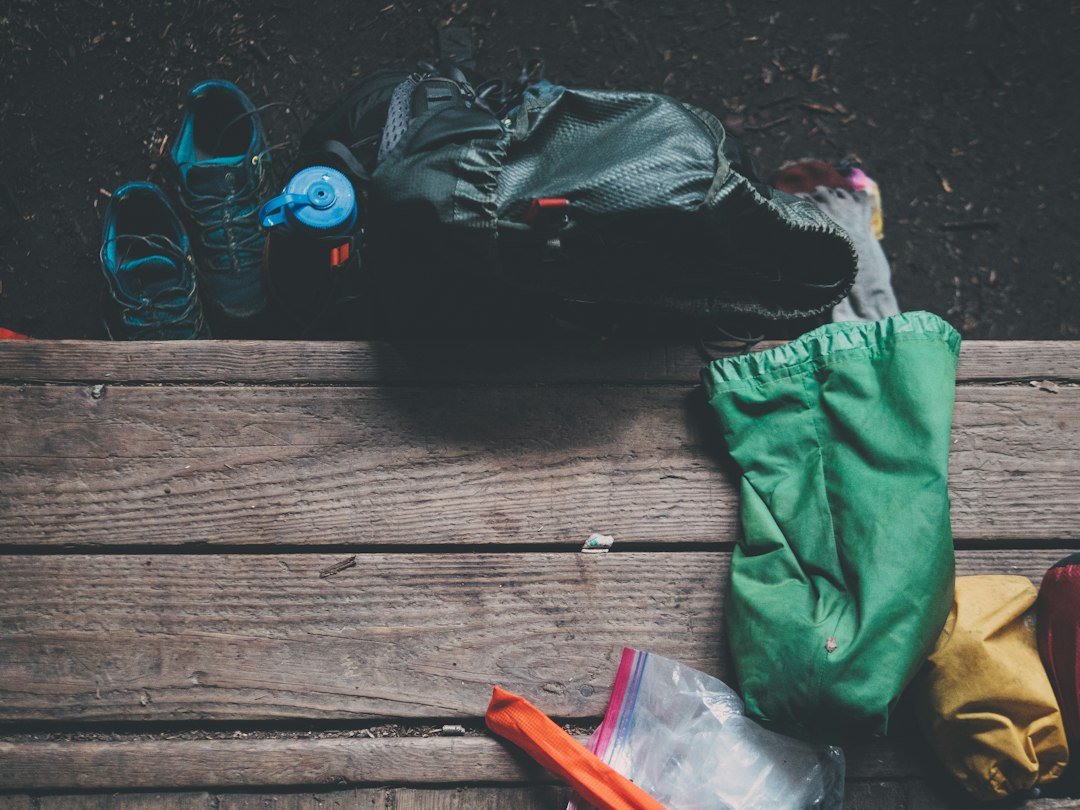
- Trash/repack bags: lightweight stuff sacks keep gear dry and double as trash or emergency shelter material.
Clothing strategy: layer, adapt, and test before you go
Clothing choices are the most flexible weight-vs-comfort decision. Test outfits at home on a chilly evening.
- Base layer: moisture-wicking synthetic or merino—avoid cotton next to skin.
- Mid layer: fleece or lightweight insulated jacket.
- Outer layer: breathable waterproof shell with seam taping if you expect rain.
- Footwear: broken-in trail shoes or boots and a spare pair of socks. Carry sock liners if you’re prone to blisters.
Packing tips that actually save weight and stress
- Use a small checklist and pack the night before. Lay items out and photograph them so you can mentally rehearse retrieval.
- Weigh questionable items—if an item is heavy and used only once on past trips, skip it this time.
- Distribute weight: heavy items close to your spine and near the middle. Test-carry a loaded pack for 15 minutes to spot issues.
- Practice minimal repairs at home: how to fix a zipper temporarily, patch a sleeping pad, or re-route a broken pole.
When to customize this checklist
Adjust quantities and choices based on season, remoteness, group skills, and trip duration. For example, winter trips demand more insulation and stove fuel; desert hikes require greater water capacity and sun protection. If traveling with inexperienced companions, bring extra safety gear and patience.
- Confirm route, expected weather and bailout points.
- Charge electronics and choose appropriate power bank capacity.
- Pack safety items first: navigation, water, first aid, light.
- Weigh and test-pack your full kit the night before.
- Leave trip plan with someone and note expected check-in time.
Start every pack by solving for shelter, hydration, warmth and emergency communication. Add food, tools and comfort in that order. A smaller, well-practiced kit beats an oversized one you can’t carry or use.
How much water should I carry for a day hike?
Carry at least 1–2 liters per person for moderate conditions; increase to 3+ liters in heat or on strenuous routes. If you’ll refill from streams, include a filter and know where water sources are located.
Do I need a stove for an overnight trip?
A stove is highly recommended for reliable hot meals and melting snow; it’s lighter and faster than fires in many environments and often safer in protected areas.
What’s the lightest reliable shelter option?
Tarps or hammocks are light and versatile but require skill and suitable anchor points; ultralight one-person tents offer more predictable protection in exposed terrain.
Which first-aid items are most important?
Blister treatment, sterile dressings, antiseptic, adhesive bandages, pain relief, and any personal meds; add an epinephrine auto-injector if you have severe allergies.
Should I bring a power bank for navigation?
Yes—if you plan to use a phone for mapping, bring a power bank sized to your trip length (5–10k mAh for day trips; 12k–20k mAh for multi-day use) and a charging cable for your device.