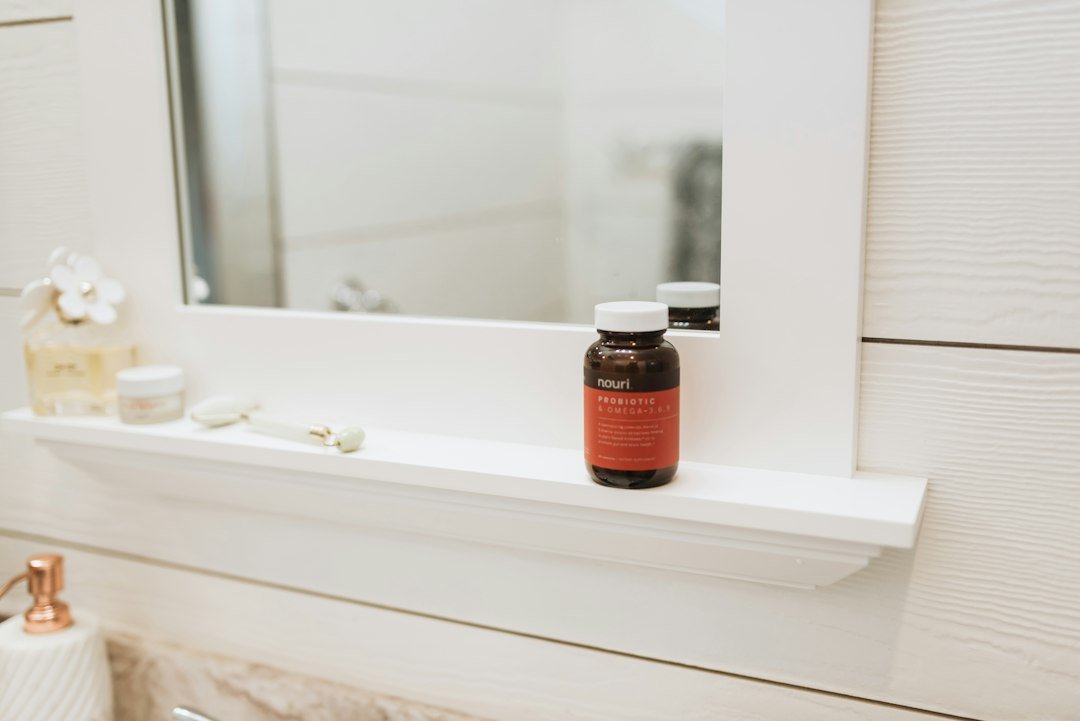
When you search for a fresh, manageable "daily beauty routine" you're usually asking two things: what truly moves the needle for skin and wellbeing, and what you can safely skip. High-investment tools and 10‑step regimens look impressive, but consistency beats complexity. Below are 12 straightforward habits arranged as a realistic daily flow—morning basics, midday small acts, and evening resets—so you add only what helps and cut what's redundant.
Morning: quick wins that protect and energize
Start the day with three efficient habits that set the tone without dragging out your morning.
1. Gentle cleanse—no harsh scrubbing
Use a mild cleanser to remove overnight oils and sweat. If your skin is dry, a water-rinse or cream cleanser is fine; if oily, a gel or foaming cleanser can help. Cleansing preps skin for everything that follows and should take under a minute.
2. Apply a lightweight moisturizer with SPF or layer SPF
Hydration is not optional: even oily skin needs it. If your daytime moisturizer includes SPF 30+, you combine two crucial steps. Otherwise, use a hydrating day cream, then finish with a dedicated sunscreen. This step prevents long-term sun damage and keeps skin plump.
3. Add one targeted act—eyes or lips
Pick one small focus: a hydrating eye cream if you have crepey or tired under-eyes, or a protective lip balm if you’re often outdoors. Small, consistent acts like this reduce visible fatigue more than occasional heavy treatments.
Midday: tiny rituals that maintain comfort and calm
Short, repeatable behaviors midday help your skin and mood without interrupting your schedule.
4. Hydrate—drink water and reapply lip balm
Systemic hydration supports skin elasticity; throat- and lip-focused reminders (a jar of lip balm on your desk) are practical and effective.
5. Refresh with facial mist or blotting—not a heavy wash
A quick spritz or blotting sheet can reduce shine and revive makeup between meetings. This preserves your morning work while keeping pores less stressed than a full second cleanse would.
6. Small hand care ritual
Frequent handwashing dries the skin. Keep a small hand cream in your bag or at your workstation and apply after washing—this prevents cracks and rough patches without a full salon treatment.

Evening: reset and repair with minimal effort
Evening steps should help repair daily damage and signal your body to rest—aim for five to ten minutes total.
7. Double-check makeup removal—use oil or micellar water
Residue from makeup and pollution blocks pores and accelerates aging. If you wear heavy makeup, start with a cleansing oil or micellar water, then follow with your regular cleanser.
8. Use a nourishing treatment—retinol, niacinamide, or a targeted mask
Pick one active that suits your skin goals: retinol for texture and fine lines, niacinamide for barrier and tone, or an occasional hydrating sheet mask for a quick boost. Don’t layer all actives every night—rotate to avoid irritation.
9. Nighttime moisturizer or sleeping mask
A slightly richer cream at night helps repair the skin barrier while you sleep. If you prefer, a sleeping mask once or twice a week can substitute for nightly heavy creams.
10. Simple lip and hand repair before bed
Apply a thicker lip balm and a generous hand cream at night; consider cotton gloves for hands if you have severe dryness. These are low-effort ways to see measurable improvement by morning.
Lifestyle habits that anchor your routine
Skincare works best when paired with a few easy lifestyle anchors—these aren’t extra products, just habits.
11. Sleep and timing consistency
Regular sleep and predictable timing for your evening routine amplify repair processes. Even shifting to a 30‑minute earlier bedtime on weekdays helps skin tone and mood more than an extra serum.
12. Cut small skin stressors first
Instead of chasing new creams, address obvious stressors: reduce hot showers if they dry you, lower facial friction from harsh towels, and avoid picking at breakouts. These adjustments reduce irritation and let your chosen products work.
One product suggestion to simplify your kit
If you want a single product that makes your routine easier, a hydrating mask or sheet mask that doubles as a quick repair and pamper is useful after a long day—apply once or twice weekly to boost moisture and brighten skin without adding nightly steps.
The product above fits when your priority is hydration and a straightforward maintenance step. Use it on evenings when skin feels dry or stressed—skip nights when you’re using stronger actives like retinol.
How to simplify rather than add steps
If you’re tempted by more products, apply this rule: replace rather than add. Swap a heavy morning cream for one with SPF instead of tacking sunscreen on top, or use a single balm that works for lips and cuticles when you travel. The best daily beauty routine is the one you actually keep.

- Cleanse morning and evening with a gentle formula.
- Use one daytime moisturizer with SPF or layer SPF separately.
- Keep a travel lip balm and hand cream handy.
- Rotate a single active treatment 2–3 nights per week.
- Drink water regularly to support skin health.
- Avoid adding new products more than once every 3–4 weeks.
Focus on consistency: clean, hydrate, protect in the morning; remove makeup and repair at night; small midday habits maintain comfort. One multipurpose product plus disciplined timing yields noticeable improvement.
How many products should a basic daily beauty routine include?
Four to six: cleanser, daytime moisturizer (or moisturizer + sunscreen), one targeted daytime product (eye or lip), and an evening treatment plus a richer night moisturizer. Keep it minimal and stick to it.
Can I use the same moisturizer morning and night?
Yes if it suits your skin. Use a lighter formula in the morning under sunscreen and a richer one at night for repair; the same product can work for both if it absorbs well and doesn’t leave residue.
How often should I use a sheet mask or sleeping mask?
Once or twice weekly for extra hydration or as needed when skin is stressed. Overusing masks with strong actives can irritate; stick to hydrating masks more often than active-packed ones.
When should I introduce an active like retinol?
Start slowly: once or twice a week at night, then increase frequency if tolerated. Avoid combining retinol with other strong actives the same night and consult a dermatologist if you have severe sensitivity.
Are expensive products necessary for results?
Not usually. Look for proven ingredients (sunscreen, hyaluronic acid, niacinamide, retinol) and consistent use—price is less predictive of results than formulation and adherence.