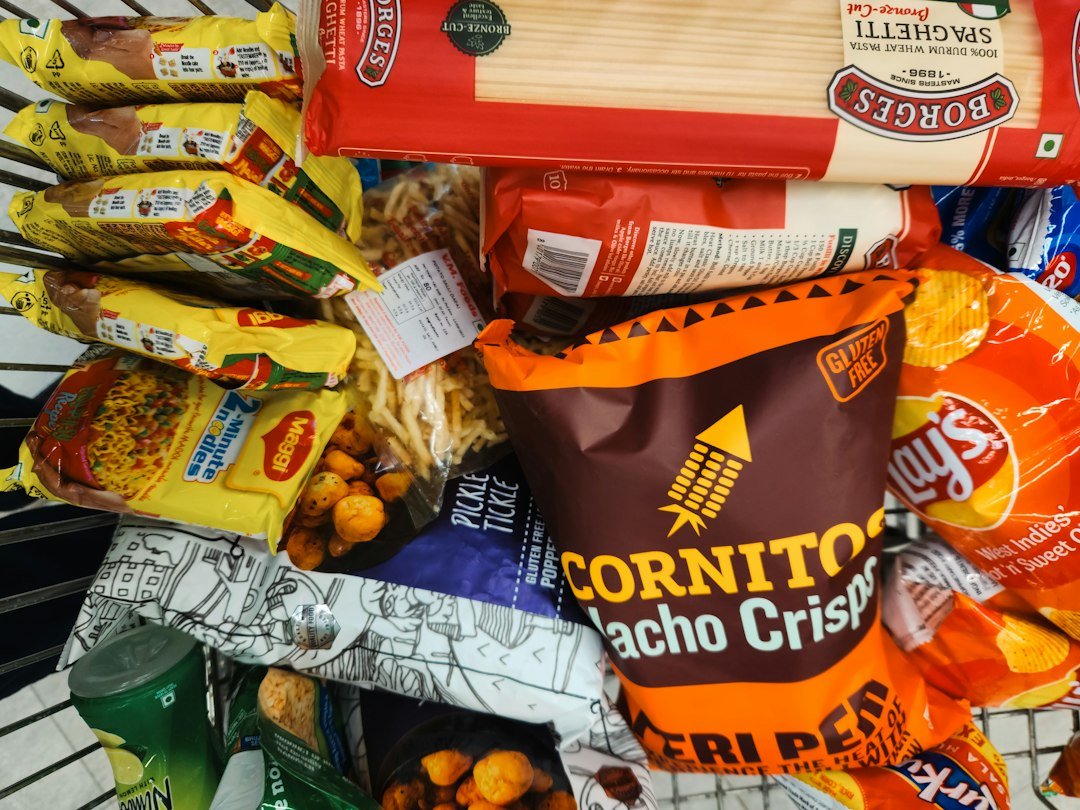
Start by focusing on what really matters (and ignore the rest)
When you want to save money on everyday essentials, the useful choices are precise: prioritize recurring purchases that make up most of your spend—groceries, personal care, cleaning supplies—and ignore one-off deals, impulse items, and premium brands you don’t use. The phrase save money on essentials guides this article: concentrate on repeat buys, unit price, and durability rather than flashy packaging or limited-time marketing. Below are 15 practical tips, a mix of quick wins and deeper strategies, to reduce your monthly basic spending without sacrificing quality.
1. Track the real cost: use unit price, not pack price
Ignore the headline price and check unit price (per ounce, per count, per load). A larger pack often looks cheaper but can be more expensive per use if you waste it or it expires. Scan shelf labels and calculate briefly on your phone when in doubt.
2. Build a rotating pantry list to avoid waste
Keep a small list of staples you actually use and note expiry-sensitive items. Buy enough to rotate through before expiry—this is especially important for dairy, fresh bread and some household cleaners.
3. Use meal planning to shrink grocery trips
Plan 3–5 dinners and a few breakfasts per shopping trip. A simple plan reduces impulse buys and ensures perishable produce gets used. Batch-cook or freeze portions to turn sales into future-ready meals.
4. Embrace strategic bulk buying—but only for the right items
Bulk is smart for nonperishables (toilet paper, canned goods, detergent) and items you use frequently. Avoid bulk perishable purchases unless you can freeze, preserve, or share them. Check unit price first: bulk should lower the per-unit cost meaningfully.
5. Keep a ready list and shop with one purpose
Create a concise shopping list tied to your meal plan and pantry status. Stick to it—research shows wandering aisles increases spending. If you need a treat, set a small “fun” line in your budget rather than deciding on the fly.
6. Use price-comparison apps and barcode scanners
Before checkout, scan a barcode with a price-check app or compare online. Small savings across many items add up; an app can spot better deals at nearby stores or show coupons you’d otherwise miss.
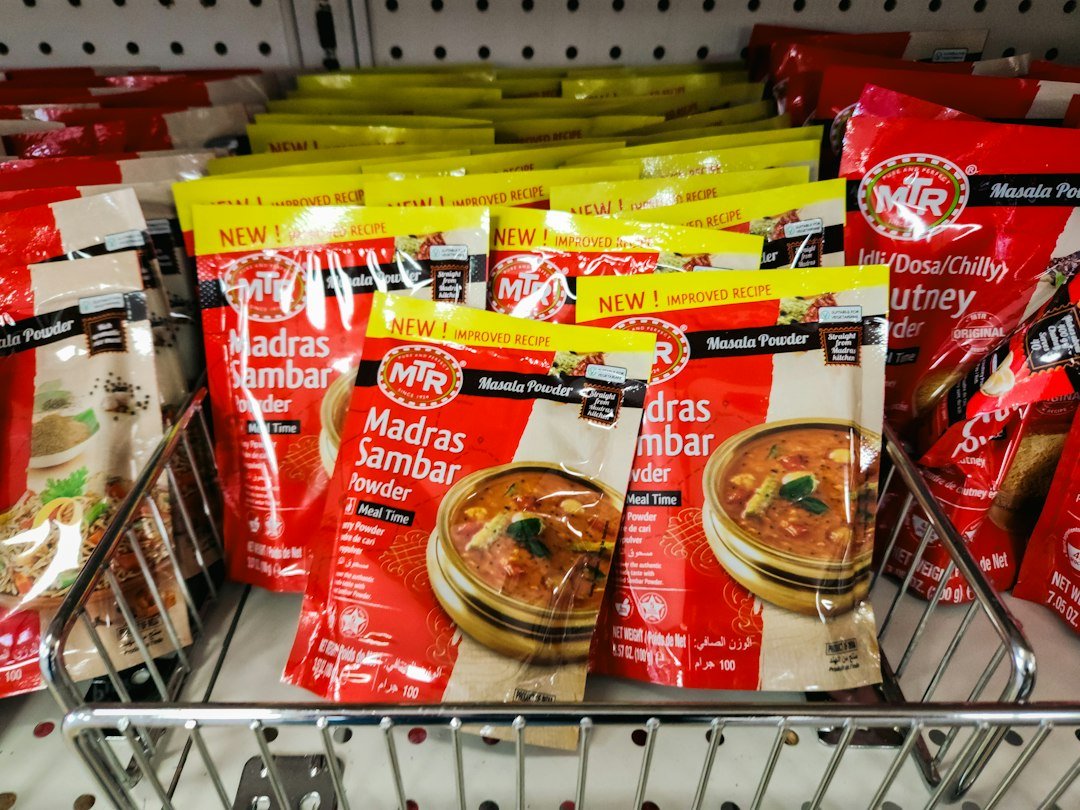
7. Time purchases around predictable sales and seasons
Toiletries, paper goods and seasonal cleaning supplies often go on predictable cycles (back-to-school, spring-clean sales). Note those cycles and buy nonperishables then. For produce, buy in-season or freeze extras when cheaper.
8. Swap brands when quality is comparable
Private-label or store-brand versions of staples—pasta, canned tomatoes, basic cleaners—often match national brands on core quality. Try a small pack first; if it meets your needs, switch and save regularly.
9. Use loyalty programs and targeted coupons selectively
Join store loyalty plans for member-only prices and personalized coupons, but don’t buy something solely because there’s a coupon. The right approach: use loyalty deals for items you already planned to buy.
10. Reduce packaging waste—and cost—by reusing and refilling
Refill stations for soap, cleaning products, and some pantry items lower cost and waste. Reusable containers for bulk grains or detergents can shave a few dollars per purchase over time.
11. Buy multi-use products where sensible
Choose products that can do double duty—a concentrated cleaner, an all-in-one body wash/shampoo for travel, or a cloth that replaces disposable wipes. Evaluate time and convenience trade-offs before switching.
12. Make small things yourself when it saves time and money
Simple swaps—mixing your own all-purpose cleaner with vinegar and water, grinding coffee beans at home, or making salad dressing—often cost less and let you control waste. Don’t DIY if it adds stress or time you value highly.
13. Keep price-memory notes for smarter future buys
Create a short “price memory” note in your phone for items you buy frequently (e.g., rice, milk, laundry detergent). Over months you’ll see which stores consistently offer the best deals and when to stock up.
14. Use one practical tool to streamline saving
Automate where possible: a single app or spreadsheet that tracks weekly grocery spend, pantry inventory, and unit prices prevents duplicate purchases and highlights problem areas. Start small—track only what you buy most often.
Product note: A 3-in-1 wireless charger pad (ID 1077) is a useful non-food essential for households that want to consolidate chargers and avoid replacing multiple cords. Use it if you regularly buy single-use chargers or want to keep surfaces tidy while preventing small, recurring electronics purchases.
[h3]15. Reassess subscriptions and recurring purchases every quarter[/h3]Household essentials can hide in subscriptions—razor deliveries, snack boxes, or cleaning supply services. Review each quarterly: pause or cancel the ones you no longer use, reduce frequency, or swap to cheaper refill options.
Checklist: what to do before your next essentials run
- Compare unit price on at least three staple items.
- Make a 3–5 meal plan and a short shopping list.
- Buy bulk only for nonperishables you use often.
- Scan one item with a price app before checkout.
- Review subscriptions and pause unnecessary ones.
Focus on the repeats: control what you buy often and how you buy it. Use unit pricing, meal plans, selective bulk purchases and loyalty deals to lower costs without lowering everyday quality. Make one small change—track unit prices or plan meals—and build from there.
How much can I realistically save with these tips?
Savings vary, but many households cut grocery and essentials bills by 10–25% within a few months by combining meal planning, unit-price checks, and selective bulk buying.
Are store brands always worth it?
Not always—try small packs first. For staples like canned goods, pasta, and basics, store brands often match quality and cost much less.
When should I buy bulk vs. regular sizes?
Buy bulk for items you use frequently and that store well (paper goods, canned items). Avoid bulk for perishables unless you can preserve or share them.
Which apps help compare prices quickly?
Barcode-scanning price apps and store apps with digital receipts are fastest—use one you find reliable and check it before checkout.
How do I avoid wasting time chasing every sale?
Set rules: only buy sale items that match your pantry list, or save nonperishables during known sale cycles. Discipline beats chasing every deal.